Hair extensions can give you length, volume, or a whole new vibe without waiting months for your hair to grow out. But here’s the thing: not every extension method works the same way, and picking the wrong one for your lifestyle can lead to damage, frustration, or a lot of wasted money.
This guide walks you through the main extension options, what to expect from each one, and how to keep your natural hair healthy while wearing them.
Related: Box Braids: Complete Care Guide for Healthy Hair
Related: Hair Braids: Complete Care Guide for Lasting Style
Types of Hair Extensions and How They Work
There are way more extension options than just the ones you see on Instagram. Each method attaches differently and requires different levels of maintenance.
Clip-in extensions are the easiest entry point. You literally clip them into your hair sections, take them off at night, and store them. No damage to your natural hair, no salon visits needed. The downside? They only last a few hours at a time, so they’re not great if you want all-day length without thinking about it.
Tape-in extensions use adhesive strips to attach wefts of hair close to your roots. A professional applies them, and they last several weeks before you need a reapplication appointment. They look really natural and blend well, but they do require maintenance to prevent buildup at the tape line.
I-Tip and Keratip extensions use tiny keratin or plastic beads to attach individual strands to your hair. These are semi-permanent and can last 2-3 months. They give you a lot of flexibility because you can style your hair however you want, but the application process takes time and you need to be careful about brushing.
Weft extensions attach a full track of hair to your hair using either sewing, bonding, or clipping methods. Sew-in wefts are popular for protective styling because they’re secure and can handle a lot of styling versatility. They’re common in braiding and weaving work.
Related: Braid Hairstyles: Types, Care & Styling Guide
Skinweft and Smart Tab extensions are newer methods that use thinner, less visible attachment points. They’re designed to be less damaging and easier to blend, which means they’re a good choice if you’re worried about breakage or visible tracks.
Choosing the Right Extension Method for Your Life
The best extension type isn’t the one that looks the prettiest in photos. It’s the one that fits your daily routine, your maintenance tolerance, and your hair’s health.
Ask yourself: do you have time for regular salon visits? If you travel a lot or hate appointments, clip-ins or professional installers who specialize in lower-maintenance methods might be better than something that needs repositioning every 4-6 weeks.
How much styling do you actually do? If you wash and go most days, weft extensions can handle that. If you’re blow-drying, straightening, and curling constantly, the heat and tension can damage extension hair or weaken attachment points faster.
Be honest about your scalp sensitivity. Some attachment methods put more stress on your roots or require chemical adhesives that irritate sensitive skin. Others sit closer to your scalp and can trap sweat and buildup if you don’t keep them clean.
This is why talking to Braid By Braid or another experienced stylist before you commit is so important. They can look at your hair texture, density, and lifestyle and actually recommend something that’ll work, not just what they think looks cool.
Hair Quality Matters More Than You Think
Not all extension hair is created equal, and the quality directly affects how long they last and how good they look.
Always go for 100% Remy human hair if you can. Remy hair means all the cuticles are facing the same direction, which keeps the hair smooth, shiny, and tangle-free. Non-Remy hair gets tangled easily and can look dull after a few washes.
Check that the hair has a full cuticle intact. If the cuticle layer is stripped or damaged, the hair won’t hold moisture or color well, and you’ll notice frizz and breakage pretty quickly. Quality extensions feel soft and smooth right out of the package.
Be realistic about pricing here. Cheap extensions usually mean lower quality hair, which means they won’t last as long and you’ll end up replacing them sooner than with better-quality options. A professional stylist can show you samples and explain the difference.
Daily Care Keeps Extensions (and Your Hair) Healthy
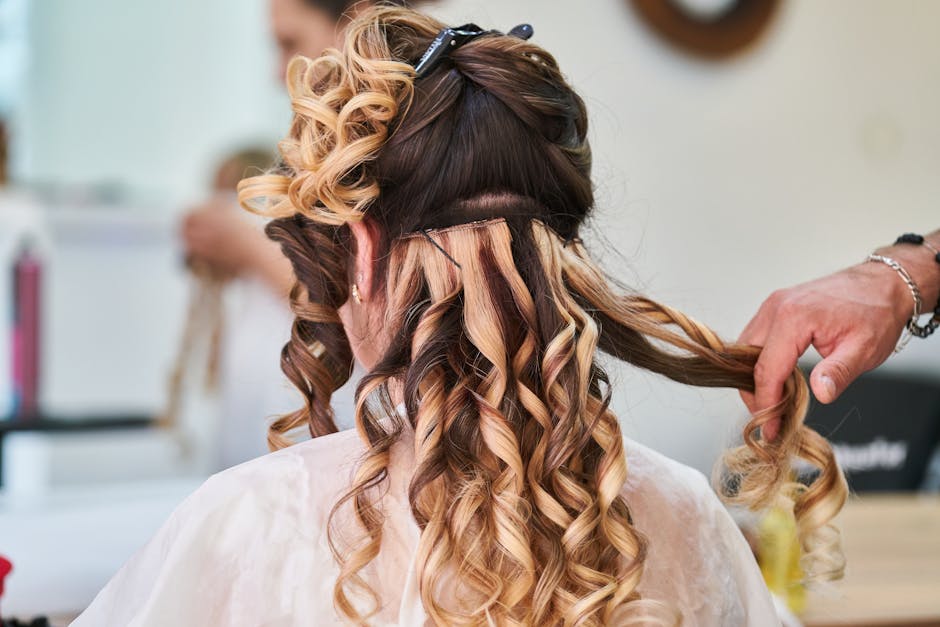
Extensions need more care than your regular hair. The ends especially need attention because they don’t have a living root getting natural oils.
Brush gently and regularly. Start from the bottom of your hair and work your way up slowly. Yanking a brush through extensions can snap the hair and loosen attachments. Use a wide-tooth comb or a brush specifically designed for extensions if you can.
Use professional-quality products. Drugstore shampoo and conditioner can build up on extensions and make them look dull. Look for sulfate-free options designed for color-treated or extension hair. These products are gentler and won’t strip the hair as fast.
Wash less often. Extensions don’t need to be washed every day like natural hair does. Aim for 2-3 times per week, and use cool or lukewarm water instead of hot.
Be careful when wet. Wet hair is weak hair. Don’t brush extensions when they’re soaking wet, and try to air-dry them or use a diffuser on low heat instead of rough toweling or high heat.
Protect attachment areas. Whatever method you’re using, keep the zone where extensions attach clean and free of product buildup. Buildup traps moisture, bacteria, and can actually weaken the attachment or make your scalp itchy. A clarifying shampoo once a month can help.
Sleep smart. Braid your hair loosely before bed or wrap it in a silk scarf. This reduces friction and tangling while you sleep.
When Professional Installation Actually Matters
Some extension methods look DIY-friendly but really aren’t. Tape-ins, I-tips, and wefts all require precision that’s hard to pull off on yourself.
A professional ensures that extensions are placed at the right angle, attached securely, and blended so they actually look like part of your hair. Bad installation can look lumpy, feel uncomfortable, or damage your hair as the extensions pull unevenly.
Plus, professionals can troubleshoot. If your hair is fine or thin, they know which methods won’t work and which attachment techniques reduce stress on your roots. If your scalp is sensitive, they can recommend products or application methods that won’t irritate you.
Red Flags to Watch Out For
Some salons push extension methods that make them money, not what’s best for you. If someone recommends a method without asking about your lifestyle or examining your hair, that’s a red flag.
If they downplay maintenance or tell you extensions are “basically free” after installation, be skeptical. Every extension method requires care and regular salon visits.
If the extensions come off looking matted, tangled, or already damaged after a week or two, that’s a quality problem. Whether it’s the hair itself or how it was installed, it shouldn’t happen.
When you’re ready to get professional guidance tailored to your hair and lifestyle, Braid By Braid can help you figure out the right approach. A consultation with an experienced stylist is honestly worth the time.
Common Questions About Hair Extensions

How long do hair extensions actually last?
It depends on the method. Clip-ins last as long as you own them but only work a few hours at a time. Tape-ins and wefts typically last 4-8 weeks before repositioning. I-tips and keratips can go 8-12 weeks. After that, they either need to be moved up as your hair grows, reapplied, or removed entirely. Quality hair and good care extend the lifespan of all methods.
Can extensions damage my natural hair?
Extensions can damage your hair if they’re too heavy for your hair type, installed incorrectly, not maintained properly, or left in too long. That’s why the right method, professional installation, and consistent care matter so much. If a stylist does everything right, your natural hair should be totally fine underneath.
Do I have to cut my natural hair before getting extensions?
Usually no, but a trim is a good idea. Extensions attach better to healthy ends, and trimming away split ends means the extension attachment points are stronger. Your stylist can advise whether a cut is necessary based on your hair’s current condition.
What happens if I get extensions wet right after installation?
Don’t do this. Most attachment methods need time to set or cure before water exposure. Tape-ins need 24-48 hours, and keratin-based methods need similar time. Getting them wet too soon can weaken the bond and cause slipping or breakage.
About Braid By Braid
Braid By Braid is a hair braiding salon at 3652 N Belt Line Rd in Irving, Texas, for braids, twists, cornrows, locs, weaves and sew-ins. See our latest styles on Instagram.