Knotless braids are a gentler take on the classic box braid. Instead of tying extension hair into a knot at your roots, the stylist feeds the hair in gradually as they braid, creating a smooth, secure foundation without that extra tension. The result? A protective style that’s easier on your scalp and easier to maintain.
If you’re looking for a braided protective style that doesn’t pull hard or leave buildup, knotless braids might be exactly what you need. Let’s walk through everything you should know about this technique, how it works, and how to keep them looking fresh.
What Makes Knotless Braids Different From Regular Box Braids?
The main difference comes down to how the extension hair gets attached. With traditional box braids, your stylist ties a knot at the root where your natural hair meets the extension. With knotless braids, the extension hair is woven in gradually from the very start of the braid.
This might sound like a small detail, but it changes everything about how the style feels and wears. Because there’s no knot creating a thick, tight bundle at your scalp, knotless braids are noticeably lighter and less pulling.
Why Knotless Braids Are Easier on Your Scalp
Tension is one of the biggest factors that determines whether a protective style actually protects your hair or damages it. Tight styles can lead to scalp discomfort, itching, and over time, hair loss along the hairline.
Knotless braids reduce tension because they don’t rely on a tight knot at the root. The gradual feeding method distributes the weight of the braid more evenly across your natural hair. You still get a secure style that lasts, but without the constant pull.
This makes knotless braids a solid choice if you have a sensitive scalp, fine hair, or if you’ve had bad experiences with tighter protective styles in the past.
How Long Do Knotless Braids Last?
Knotless braids can be maintained for several months when you take care of them properly. That’s a solid timeframe for a protective style, giving you weeks of low-maintenance wear.
Related: Goddess Braids: How to Style, Care & Rock This Look
Related: Cornrow Braids: How to Style, Care & Master the Technique
Related: Braid Hairstyles: Types, Care & Styling Guide
Related: How to Do Bubble Braids: Step-by-Step Guide
Related: Twist Braids: How to Style & Care for Them
The key is actually using that time to maintain them. As your natural hair grows, you’ll notice the braids start to look loose at the roots. That’s when you can either get a touch-up (where your stylist tightens up the base) or decide it’s time to take them out and refresh.
The gentler installation method also means less stress on your edges, which can help your hairline stay healthy throughout the wear period.
Related: Box Braids: Complete Care Guide for Healthy Hair
Related: Hair Braids: Complete Care Guide for Lasting Style
Related: African Hair Braiding: Complete Guide to Styles & Care
Related: How Long Do Box Braids Last? Complete Timeline & Care Guide
Related: Knotless Box Braids in Irving TX: Complete Guide
Minimal Buildup and Shedding

One of the best perks of knotless braids is how clean they stay. Because there’s no knot trapping debris, product, or shed hair at your roots, you get minimal accumulation over time.
This matters more than you might think. Heavy buildup can make your scalp uncomfortable, trap moisture, and make the braids feel dirtier and heavier faster. With knotless braids, your scalp stays cleaner and your braids look fresher for longer.
The installation technique also traps less shed hair inside the braids, which is another win for keeping things tidy.
Proper Parting and Sectioning for Clean Results
The foundation of good-looking knotless braids starts with how your stylist sections your hair. Clean, even partings mean even, symmetrical braids that look intentional and polished.
Your stylist should take time to map out your braids before starting, making sure each section is the same size and shape. This is more important with knotless braids because the gradual feeding technique is precise work, and good parting makes it easier to execute cleanly.
When you’re booking your appointment at Braid By Braid, mention if you have any preferences about braid size or placement. That helps your stylist plan accordingly and give you exactly what you’re picturing.
Knotless Braid Styling Options
Knotless braids are incredibly versatile. You can wear them long and loose, pin them up into a bun or ponytail, create an updo, or style them with decorative pieces. The braids hold well and move naturally, so you have lots of creative freedom.
Some people love wearing knotless braids sleek and polished. Others prefer a more textured, undone look. You can also experiment with different braid thicknesses, lengths, and even colored extensions to really customize your style.
The versatility is part of what makes knotless braids such a popular protective style choice.
Day-to-Day Maintenance Routine for Knotless Braids
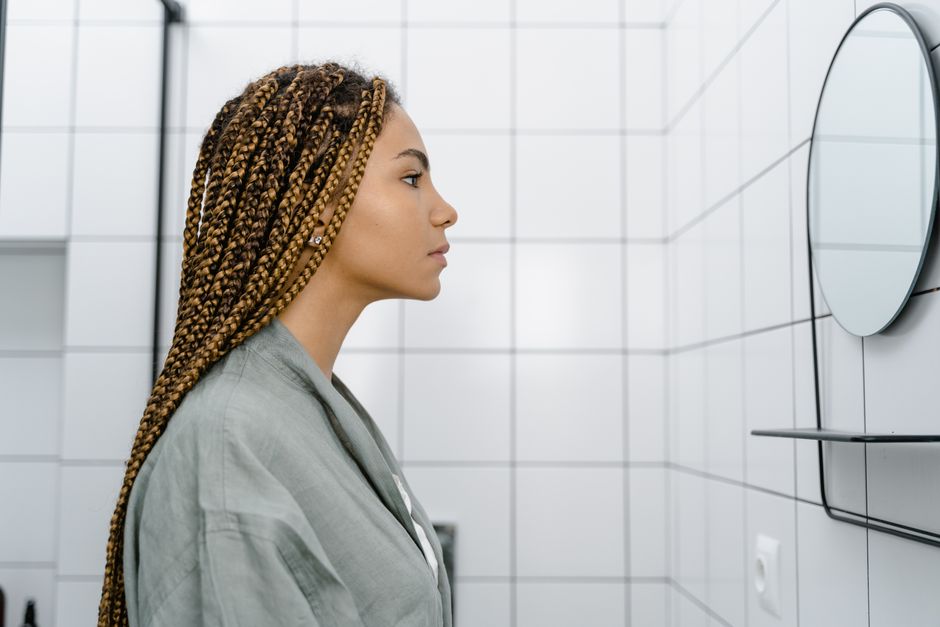
Keeping your knotless braids looking fresh doesn’t require a complicated routine, but consistency matters.
- Wrap your hair at night with a silk or satin scarf to reduce friction and frizz
- Spritz your braids lightly with water or a lightweight moisturizing spray if they feel dry
- Avoid heavy oils or products that build up on the roots
- Gently wash your scalp every 1-2 weeks with a diluted cleanser and a squeeze bottle
- Pat dry gently rather than rubbing
The goal is to keep your scalp clean and your braids moisturized without adding weight or buildup. Light and gentle is the way to go.
When to Get Knotless Braids Touched Up
After 4-6 weeks, you’ll probably start noticing that your braids feel loose at the roots where your natural hair has grown. This is totally normal and doesn’t mean your braids are failing.
At this point, you can either schedule a touch-up appointment (where your stylist re-braids the new growth at the roots) or decide to take them out and start fresh. Touch-ups can extend the life of your braids if you want to keep the style going a little longer.
If you’re in the Irving, Texas area and ready to get your knotless braids installed or maintained, Braid By Braid specializes in this technique and can help you figure out the best maintenance plan for your hair and lifestyle.
Taking Out Knotless Braids Safely
When it’s time to remove your braids, take it slow and be gentle. Rushing the removal process is a sure way to break your natural hair.
Gently undo each braid from the bottom up, working the extension hair out of your natural strands carefully. You can use a bit of conditioner or detangler to help the process go smoother. Once you’ve got the extension hair out, gently detangle your natural hair and give your scalp a break before your next protective style.
Removing knotless braids is usually easier than removing traditional braids because there’s no knot to work around, which is another bonus of this technique.
Common Questions About Knotless Braids
Are knotless braids better for your hair than regular box braids?
Knotless braids are gentler because they don’t put as much stress on your roots and scalp. They’re especially better if you have a sensitive scalp, fine hair, or have experienced tension-related hair loss with other styles. That said, any protective style can be good for your hair if it’s installed and maintained properly. The key is that knotless braids make it easier to install without excessive tension right from the start.
How many weeks can you keep knotless braids in?
Knotless braids can typically be worn for several months, but most people get touch-ups around 4-6 weeks when the new growth at the roots becomes noticeable. You can wear them longer if you don’t mind the looseness at the base, or you can maintain them with regular touch-ups to keep them looking tight and fresh.
Do knotless braids cause hair loss?
Knotless braids are less likely to cause hair loss than tighter styles because they create less tension on your scalp and edges. However, any protective style can cause damage if it’s too tight, left in too long without maintenance, or if you’re rough during removal. The gentler installation method of knotless braids helps protect your hair, but it’s still important to practice proper care and maintenance.
Can you wash your hair with knotless braids in?
Yes, you can wash your hair with knotless braids in, and you should do it regularly to keep your scalp healthy. Use a diluted cleanser, focus on your scalp, and avoid heavy products. Make sure to dry your scalp thoroughly so moisture doesn’t get trapped. Most people wash their scalp every 1-2 weeks depending on how oily or dry their hair and scalp tend to be.
About Braid By Braid
Braid By Braid is a hair braiding salon at 3652 N Belt Line Rd in Irving, Texas, for braids, twists, cornrows, locs, weaves and sew-ins. See our latest styles on Instagram.
6 Responses