African hair braiding is an ancient technique that combines skill, creativity, and cultural heritage into protective hairstyles that keep your hair strong and let you express your personal style. If you’re curious about box braids, cornrows, Senegalese twists, or any of the other braiding styles out there, this guide breaks down what you need to know to get the look you want—and actually maintain it.
What Is African Hair Braiding?
African hair braiding refers to a range of protective hairstyles that use sectioning and interlocking techniques to style your hair. The braids can be thick or thin, long or short, and can incorporate added hair for volume and length. The beauty of braiding is that it protects your natural hair while you wear it, and it gives you tons of creative freedom.
Related: Natural Hair Braiding Services: Your Complete Guide
Related: African Hair Braiding in Irving, TX: Your Complete Guide
Related: Locs Hair Care: Complete Guide to Starting & Maintaining Your Locs
The most popular braiding styles include box braids (square sections with defined boxes), cornrows (flat, linear braids close to the scalp), tree braids (loose braids with added hair woven through), and Senegalese twists (twisted sections that give a smoother look than traditional braids). Each style has its own vibe, maintenance needs, and time commitment.
When you work with an experienced braider at Braid By Braid, you get someone who understands how to execute these styles in ways that actually protect your hair and make you feel confident.
How to Choose the Right Braiding Style for You
Picking your style isn’t just about what looks cute (though that matters). You need to think about your lifestyle, how much time you want to spend on maintenance, and what your hair needs right now.
Box Braids are probably the most versatile. They work for almost any occasion, they last a solid 6-8 weeks, and you can style them in ponytails, buns, or leave them down. If you’re new to braiding or you want something that’s low-key but still striking, box braids are your go-to. Knotless box braids are a gentler option that reduces tension on your scalp.
Cornrows are sleek, sculptural, and can be as simple or as intricate as you want. They’re great if you like a really polished look or if you’re planning to add other elements on top (like a ponytail). Cornrows typically last 4-6 weeks depending on how carefully you maintain them.
Senegalese Twists have a smoother texture than braids and they photograph beautifully. They’re also a good option if your scalp is sensitive, because the tension can feel lighter. They last about 6-8 weeks with proper care.
The key is being honest about your lifestyle. If you’re always on the go and don’t have time for detailed maintenance, stick with braids or twists that don’t require constant re-fluffing. If you love playing with your hair and styling it different ways, box braids give you the most options.
What to Look for in an Experienced Braider
Not all braiders are the same, and the quality of your braiding experience—and the health of your hair afterward—depends heavily on who’s doing the work.
Skill and experience matter. Look for a braider who has been doing this for years, not months. Someone who has braided hair for 10, 15, or 20+ years has seen it all and knows how to handle different hair textures, scalp sensitivities, and style preferences. Experience shows in the neatness of the braids, how evenly they’re sized, and how comfortable you are while they’re working.
They should ask questions. A good braider doesn’t just start braiding. They ask about your hair history, what you want, how long you plan to keep the style, and if you have any scalp sensitivity. They listen to your answers and adjust their technique accordingly.
They prioritize scalp health. Healthy braiding should never feel painful. If a braider is pulling so tight that your scalp hurts during the appointment or for days after, that’s a red flag. Tension alopecia is real, and it happens when braids are done too tight over time. A pro knows how to create braids that are secure without being damaging.
They use quality hair. The hair you add to your braids matters. It should feel smooth, not overly processed, and it should match your natural hair texture enough that the overall look feels cohesive. Your braider should have options and should guide you toward what works best for your style and hair type.
Related: Box Braids: Complete Care Guide for Healthy Hair
Related: Hair Braids: Complete Care Guide for Lasting Style
Related: How Long Do Box Braids Last? Complete Timeline & Care Guide
When you’re ready to book an appointment, take time to look at a braider’s portfolio and read reviews from other clients. Ask if they offer walk-in appointments or same-day services if you’re in a time crunch—many established salons do.
Caring for Your Braids and Protective Styles
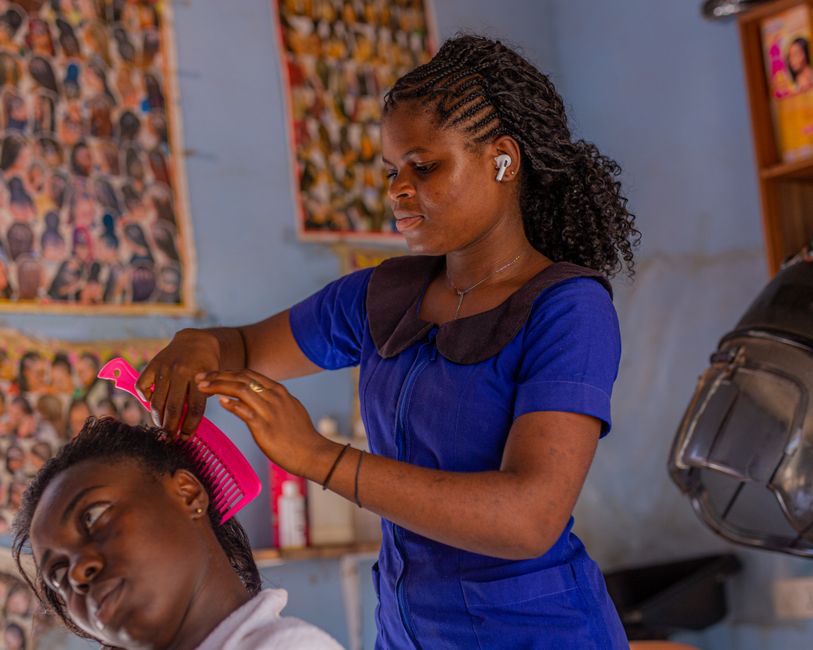
Braids are protective, but they still need care. How you maintain them determines how long they look good and how healthy your hair stays underneath.
Cleanse regularly. You don’t need to wash your braids every week, but you should cleanse your scalp every 7-10 days. Use a lightweight, sulfate-free shampoo and focus on the scalp, not the braids themselves. Dilute your shampoo with water to make it easier to rinse out. Pat your braids dry gently rather than rubbing them.
Moisturize your scalp and hair. Braided hair can dry out, especially if you have naturally textured hair. Use a leave-in conditioner or light oil on your scalp and lightly on the braids themselves. Don’t overdo the oil—you don’t want buildup—but consistent, lightweight moisture keeps your hair from getting brittle.
Protect at night. Sleep on a silk or satin pillowcase to reduce friction. If you want to go the extra mile, wrap your braids loosely in a silk scarf or bonnet. This protects the braids from unraveling and keeps your hair moisturized.
Take breaks between styles. After you take out your braids, give your hair a rest before you braid it again. Spend 1-2 weeks doing a gentler routine—moisturizing, deep conditioning, maybe wearing your hair down or in a loose style. This gives your scalp and hair a chance to recover and helps prevent damage from constant tension.
Address scalp care specifically. If you have melanin-rich skin, your scalp has specific moisture needs. Don’t skip this. A dry scalp under braids can lead to itching, flaking, and eventually hair loss. Use products designed for textured hair, and don’t hesitate to ask your braider for maintenance recommendations.
Timeline and What to Expect
Braiding takes time—and that’s okay. Depending on the style, your hair length, and the braider’s speed, you might be in the chair for anywhere from 4 to 8 hours. Box braids and Senegalese twists typically take longer than cornrows.
Most people keep their braids in for 6-8 weeks. After that, they start to look a little tired, your natural hair grows out (creating visible breakage at the root), and it’s time to either take them out or get them redone. Some people do “braid maintenance” appointments where a braider refreshes specific areas rather than redoing the entire head—ask if that’s an option.
If you need same-day availability or you want to see examples of different styles before committing, check if your salon offers walk-in appointments. Many do, especially established ones.
Common Questions About African Hair Braiding
How do I know if braiding will damage my hair?
Braiding itself doesn’t damage your hair if it’s done correctly. The risk comes from tension that’s too tight, braids that are left in too long, or poor maintenance. If you work with an experienced braider who prioritizes scalp health and you follow a solid maintenance routine, your hair should actually be stronger and healthier than if you wore it loose all the time. The key is choosing someone who knows what they’re doing and listening to your hair’s needs.
Can I braid all my hair types?
Yes. Whether your hair is fine, thick, curly, wavy, or straight, there’s a braiding style and technique that works for you. An experienced braider adjusts their approach based on your hair texture. Some textures might need slightly different tension or a different sectioning pattern, but everyone can rock braids.
What’s the difference between box braids and knotless box braids?
Knotless box braids use a technique that doesn’t create a knot at the base. Instead, the added hair is fed into the braid gradually as you section your natural hair. This creates a smoother look and puts less tension on your hairline and scalp. Both styles last about the same amount of time, but knotless braids feel lighter and are often better if you have a sensitive scalp or a fragile hairline.
How much does African hair braiding cost?
Cost depends on several factors: the style you choose, how many braids (or how thick they are), how long your hair is, and whether you’re bringing your own hair or buying it from the salon. The best way to know what you’ll invest is to reach out to a braider for a quote. They can give you an exact price once they see your hair and understand what you want.
About Braid By Braid
Braid By Braid is a hair braiding salon at 3652 N Belt Line Rd in Irving, Texas, for braids, twists, cornrows, locs, weaves and sew-ins. See our latest styles on Instagram.
3 Responses